




















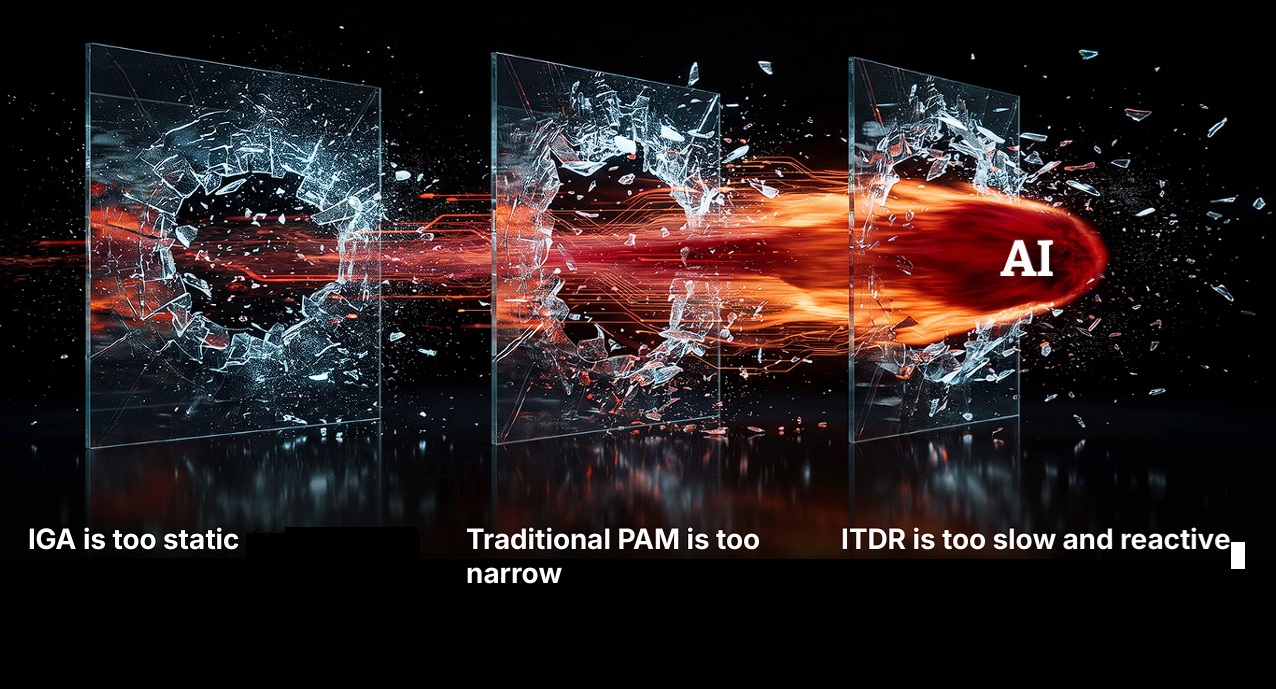
Οι επιθέσεις που βασίζονται ή καθοδηγούνται από AI και διάφορα πρωτοποριακά μοντέλα AI όπως το Mythos της Anthropic αλλάζουν την κυβερνοασφάλεια ταχύτερα από όσο αντιλαμβάνονται οι περισσότεροι οργανισμοί.
Τα συγκεκριμένα μοντέλα κατεβάζουν δραματικά το επίπεδο τεχνογνωσίας που απαιτείται για την εκτέλεση εξελιγμένων και σύνθετων επιθέσεων, επιτρέποντας στους επιτιθέμενους να εκτελούν περίπλοκες εκστρατείες με πρωτοφανή ταχύτητα και κλίμακα. Επιτρέπουν στους αντιπάλους να ανακαλύπτουν ευπάθειες μηδενικής ημέρας (zero day), να συνδυάζουν εσφαλμένες ρυθμίσεις παραμέτρων, να απογράφουν ταυτότητες, να μετακινούνται πλευρικά, να κλιμακώνουν προνόμια και να παραβιάζουν περιβάλλοντα και συστήματα -αυτόνομα και με ταχύτητα μηχανής.
Αυτό που έχει αλλάξει πραγματικά δεν είναι κάποια νέα τεχνική επίθεσης αλλά η ικανότητα εκτέλεσης ολόκληρων αλυσίδων επίθεσης αδιάκοπα και με προσαρμοστικότητα, χωρίς τις καθυστερήσεις, τα λάθη ή τους περιορισμούς πόρων που παραδοσιακά βάζουν όρια στους ανθρώπινους χειριστές.
Εδώ και αρκετά χρόνια, οι ομάδες ασφαλείας οικοδομούσαν τις άμυνες τους γύρω από την παραδοχή ότι μεσολαβεί σημαντικός χρόνος μεταξύ των ενεργειών του επιτιθέμενου και της απόκρισης ή της αντίδρασης του αμυνόμενου. Ένα προηγμένο μοντέλο AI εκμηδενίζει αυτό το χρονικό περιθώριο. Μέχρι να ενεργοποιηθεί κάποιος μηχανισμός ανίχνευσης, η επίθεση ενδέχεται να έχει ήδη ολοκληρωθεί.
Η ταυτότητα είναι το πεδίο της μάχης
Αυτό που βλέπαμε σε σταθερή βάση τόσο από πελάτες μας όσο και από τους CISOs του δικτύου της Glasswing είναι ότι οι επιθέσεις που βασίζονται σε AI εκμεταλλεύονται στην ουσία τις ταυτότητες. Έτσι, αξιοποιούν σχέσεις εμπιστοσύνης, μετακινούνται πλευρικά και κλιμακώνουν προνόμια μέχρι να αποκτήσουν τον έλεγχο του περιβάλλοντος. Αυτός είναι ο λόγος για τον οποίο η ταυτότητα είναι ταυτόχρονα η πρωταρχική επιφάνεια επίθεσης και το τελευταίο αξιόπιστο σημείο ελέγχου. Τα περισσότερα ωστόσο εργαλεία δεν μπορούν να διαχειριστούν την κλίμακα και την ταχύτητα των επιθέσεων που βασίζονται σε AI.
- Οι λύσεις IGA (Identity Governance and Administration) είναι υπερβολικά στατικές και σχεδιάστηκαν για διακυβέρνηση, όχι για αλυσίδες επιθέσεων με ταχύτητα μηχανής.
- Οι παραδοσιακές λύσεις PAM (Privileged Access Management) έχουν περιορισμένο πεδίο εφαρμογής και ασφαλίζουν μόνο ένα περιορισμένο σύνολο λογαριασμών.
- Οι λύσεις ITDR (Identity Threat Detection and Response) είναι αργές γενικά και αντιδραστικές, και ξεκινούν να λειτουργούν αφού έχει ήδη ξεκινήσει η ύποπτη συμπεριφορά.
Οι οργανισμοί που κατάφεραν να αναχαιτίσουν τέτοια προηγμένα μοντέλα έχουν ένα κοινό στοιχείο: μηχανισμούς Ασφάλειας Ταυτοτήτων εν Λειτουργία (Runtime Identity Security).
Γιατί το Runtime Identity Security είναι κρίσιμης σημασίας στην εποχή των προηγμένων μοντέλων AI
Η ταυτότητα αποτελεί το τελευταίο αξιόπιστο σημείο επιβολής πολιτικών ασφαλείας προτού εκτελεστεί μια ενέργεια. Μόλις παραχωρηθεί πρόσβαση, ο επιτιθέμενος λειτουργεί ήδη μέσα στο περιβάλλον. Αυτός είναι ο λόγος για τον οποίο το «Runtime Identity Security» καθίσταται κρίσιμης σημασίας στην εποχή των επιθέσεων που βασίζονται σε AI. Ο μόνος τρόπος για να αποτραπούν αξιόπιστα οι επιθέσεις είναι εμβόλιμα (inline), τη στιγμή δηλαδή που προκύπτει ένα αίτημα πιστοποίησης της ταυτότητας (authentication request) -προτού παραχωρηθεί πρόσβαση.
- Ο έλεγχος πραγματοποιείται εντός της ροής ελέγχου ταυτότητας
- Οι αποφάσεις λαμβάνονται προτού παραχωρηθεί η πρόσβαση
- Η πλευρική μετακίνηση και η κλιμάκωση προνομίων σταματούν σε πραγματικό χρόνο
Η τεχνολογία Runtime Access Protection™ της Silverfort
Η Silverfort συνδέεται με την υποδομή IAM και τις πρακτορικές πλατφόρμες που λειτουργείτε, επεκτείνοντας την προστασία ταυτότητας σε περιουσιακά στοιχεία που προηγουμένως ήταν αδύνατο να προστατευθούν και μάλιστα χωρίς αλλαγές στην υποδομή, στα συστήματα ή στις εφαρμογές σας. Η Silverfort το επιτυγχάνει αυτό με την κατοχυρωμένη με δίπλωμα ευρεσιτεχνίας τεχνολογία Runtime Access Protection™ (RAP), η οποία ενσωματώνεται εγγενώς στην υποδομή IAM σας για την επιβολή ελέγχων ασφαλείας εν λειτουργία και τη διακοπή των απειλών πριν προκαλέσουν ζημιά.
Τι προσφέρει η Silverfort
- Προστασία για κάθε ταυτότητα εν λειτουργία | Προστατέψτε ανθρώπινους χρήστες, λογαριασμούς υπηρεσιών και άλλες μη ανθρώπινες ταυτότητες, καθώς και πράκτορες AI με ελέγχους που επιβάλλονται άμεσα και εμβόλιμα (inline) κατά τον έλεγχο ταυτότητας.
- Αποτροπή επιθέσεων ταχύτητας AI πριν εξαπλωθούν | Αποκλείστε, προκαλέστε, περιορίστε ή συγκρατήστε την επικίνδυνη πρόσβαση προτού οι επιτιθέμενοι μετακινηθούν πλευρικά, κλιμακώσουν προνόμια ή επεκτείνουν την ακτίνα του χτυπήματος.
- Περιορισμός και σπάσιμο της αλυσίδας της επίθεσης | Μην αφήνετε το μοντέλο να προχωρήσει. Προκαλέστε την πρόσβαση με βάση στατικά διαπιστευτήρια, διακόπτοντας προσωρινά την εμπιστοσύνη που επιβάλλεται από άλλα συστήματα.
- Κάλυψη εκεί όπου πραγματικά κινούνται οι επιτιθέμενοι | Επεκτείνετε τους ελέγχους σε περιοχές που τα περισσότερα εργαλεία ταυτότητας δεν μπορούν να φτάσουν, συμπεριλαμβανομένων των Active Directory, Kerberos, NTLM, παλαιών εφαρμογών (legacy apps), OT και απομονωμένων δικτυακών (air-gapped) περιβαλλόντων.
Οι επιθέσεις που βασίζονται σε AI δεν περιμένουν. Ούτε οι άμυνες σας θα έπρεπε να περιμένουν. Μάθετε πως η Silverfort σταματά τις επιθέσεις που βασίζονται σε AI κατά την εκτέλεσή τους.
Πηγή: Silverfort