



















News
Jan
In comments that support Array’s ranking in the new report, IDC analysts note that the company’s WAN optimization solution has “increased its chances of cracking bigger deals and positioning themselves as an end-to-end solution provider in the ADC space.”
According to IDC, drivers of Array’s leading position in the India market include the ability to close deals in the lucrative government and banking and financial services industry (BFSI) markets, as well as the ability to offer holistic ADC and WAN solutions with custom costing to potential customers. Although Cisco still leads – due to volume WAN optimization sales – Array is mounting a challenge by way of continued growth in the WAN optimization space.
Mr. Shibu Paul, Country Manager at Array Networks said, “IDC is a respected authority tracking the markets Array serves, and the local IDC team in India has a superior understanding of vendors, partners and customers in the application delivery networking space. The Array team has been working tirelessly to serve our customers, assist our partners and enhance our offerings, and I am extremely pleased to see our efforts paying off as reflected in the new IDC market report.”
“In addition to growing traction in the enterprise based on its suite of application delivery networking solutions, Array is also opening up new opportunities with its line of software appliances which can be hosted on any virtualized server to break price barriers and make solutions more affordable to SMBs,” said Manoj Iyer, IDC’s market analyst for enterprise networking in India. “With the ability to support a broad range of customers and a go-to-market strategy focused on educating partners its load balancing, WAN optimization, enterprise mobility, high availability, BYOD and application acceleration solutions, Array is well positioned to further increase their market share in the application delivery networking market.”
You can read the original article here.
Jan
Sophos currently offers an optimized AMI that is compatible with AWS cloud services. With this new hourly-based model, customers are able to take advantage of the many scaling, redundancy and elasticity features offered by AWS. Put simply, this approach lets customers access and securely defend their cloud resources with a solution optimized for the AWS environment.
“With AWS Marketplace, businesses can find, buy and deploy software that is optimized for Amazon EC2, allowing them to focus on delivering business results faster and at a lower cost,” said Sajai Krishnan, GM, AWS Marketplace. “We’re excited to add the Sophos UTM to AWS Marketplace, as we believe its new on-demand hourly pricing allows customers to utilize this advanced network security solution with the elasticity and ease-of-use they want in the cloud.“
“As a long-standing security provider, we know about the many benefits that Amazon Web Services provides, especially to SMBs that have adopted the cloud,” said Angelo Comazzetto, Senior Product Manager, Sophos. “We pride ourselves on developing complete security offerings that are simple to use, and with this offering, companies can better defend their cloud security resources with layers of security provided by Sophos UTM. We are excited to enable this unique offering in the AWS Marketplace.”
For additional information on Sophos’ UTM offerings, please click here.
Jan
There are many reasons why you should consider Sophos for your next firewall — here are five of them.
1. We keep it simple. It’s super easy to deploy, manage, and use – you’ll never need to configure with the command-line again.
2. You get lightning speed. Our SG Series appliances blow the competition away in independent tests. And if you prefer you can go software, virtual or cloud-based instead.
3. Everything’s on one box. It gives you the latest next-gen firewall features. Plus email, endpoint, and mobile features you can’t get anywhere else.
4. Reporting’s built in. Detailed reports come as standard, stored locally on a built-in hard drive. No separate appliances or tools required.
5. And we’re a three-time Gartner Magic Quadrant Leader. No other firewall vendor can say that. So you can rest assured you get proven protection you can trust from a Leader in UTM, Endpoint and Mobile Data Protection.
All of this good stuff, packaged in one super-fast, easy-to-use solution. To learn more, and see how we stack up against the competition, visit sophos.com/firewall.
You can read the original article, here.
Jan
“Sophos and Cyberoam create a winning combination at the right time, in the right product markets and in all the right geographies,” said Kris Hagerman, Chief Executive Officer for Sophos. “Cyberoam has built a strong reputation as an aggressive and nimble innovator in the network security market, and like Sophos, has a ‘channel-first’ approach and reputation for delivering top-notch service and support. The acquisition expands and accelerates our network security roadmap to grow our presence in UTM, advanced threat protection, wireless and next generation firewall – some of the fastest growing markets in all of IT. This also continues our focus of providing exciting opportunities to grow our channel partners and customers.”
For more information, visit the Sophos corporate blog.
Founded in 1999 and headquartered in Ahmedabad, India, Cyberoam is highly regarded for its product innovation, quality, and world-class customer support. The company has more than 65,000 customers, more than 550 employees, and a strong channel focus with a network of 5,500 partners, with particular strength in India, the Middle East, and Africa. Cyberoam’s high performance UTM and Next Generation Firewall appliances, built on a similar Intel-based architecture as Sophos’ UTM solutions, deliver advanced technologies that will complement and expand the entire Sophos network security portfolio. Some of these technologies include the iView reporting engine, application control, user-based network policies, sophisticated next-generation firewall capabilities and advanced threat protection.
Hemal Patel, CEO of Cyberoam said, “Together Sophos and Cyberoam form a powerhouse in network security. We are growing our network security businesses substantially faster than the market, and joining forces allows us to drive even greater innovation and value. Our global footprint, commitment to the channel and complete security portfolio are clear competitive differentiators. We’re pleased to join the Sophos team.”
The acquisition advances Sophos’ position in network security, a strategic growth area for the company and a pivotal element of the company’s complete security strategy. Sophos combines leading security technologies in endpoint, mobile, encryption and data protection, e-mail, web, server, and network – all focused on small and midmarket enterprises and pragmatic enterprises of any size – and delivered entirely through the channel. Combined, Sophos and Cyberoam will have more than 2,200 employees, with more than 600 focused on network security, including more than 350 in R&D.
According to IDC Research, the network security market reached $7.9 billion in 2012; UTM comprised $2.7 billion of the market and was cited as the fastest growing segment at 21% growth. In the recent Gartner Magic Quadrant for Unified Threat Management, Sophos was again named a “Leader” and Cyberoam a “Visionary.”
You can read the original article here.
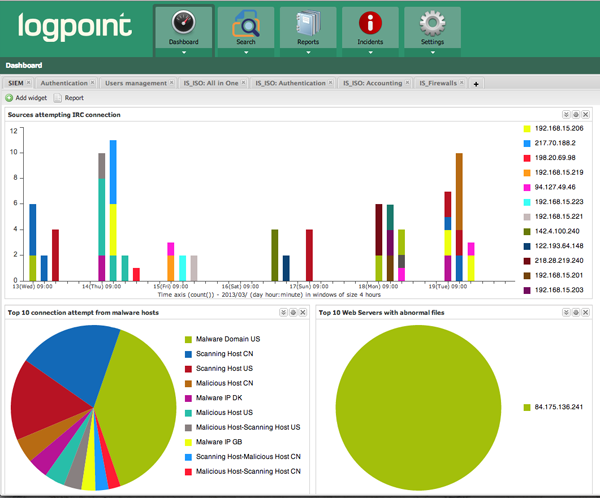
Imagine a system that can alert you when it starts to rain, not only warning to get out your umbrella, but also putting more trains on the Metro to cope with the extra passengers, monitoring the cafes to ensure there is sufficient coffee, or alerting when a vending machine needs restocking. A tool that gives you a sharp overview of vast and complex infrastructure, combined with the intelligence to review and comprehend what is happening – well, that’s not merely SIEM. That’s LogPoint.
SIEM – or Security Information and Event Management. Quite a mouthful. So what does it mean?
Metaphorically speaking, SIEM is the Information Technology version of Closed Circuit Television (CCTV). In short: a surveillance system of all data within an entire IT landscape in order to catch intrusions, provide insight into operations and report on functioning.
The First CCTV
Originally developed in the 1930’s to monitor rocket launches, CCTV began to be used to remotely monitor people and equipment in the 1970’s. A very basic instrument at the time, it could not record, replay, keep or store images.
Unless you were watching it live, the event would be missed.
Log Files
IT Systems create log files for every activity, be it purely informational, or failures, or even successes. Log Files can also trace who performed the activity, when was it done, etc. However, log files are stored locally on each system, and unless someone can review each and every system, it is almost impossible to find everything. Just like the first CCTV, unless you are watching these logs in real time, the event will be missed.

CCTV Evolves
CCTV evolved throughout the 80’s and 90’s, gaining the ability to record and replay videos of people and activity – and this could then be used for investigation and criminal prosecution within the courts. Slowly, CCTV cameras began to appear everywhere. Today, there are 207,431 CCTV cameras covering a large percentage of the city of London – a similar story for most European cities.
Log Management
This is the basis for the Log Management software from which SIEM has evolved – software that enables log collection from an entire infrastructure, storing them centrally, and time-stamping them for analysis. This offers better insight into how “the crime” happened and took place, who was involved, and how can it be prevented in the future. But this still isn’t SIEM as we know it today.
Modern CCTV
CCTV has developed at an amazing speed since the turn of the century. Not only can it now record and store data from hundreds of thousands of cameras, it can also recognize auto registrations and even faces – enabling real-time alerts that can:
• Be sent to emergency operators.
• Dispatch police – e.g., when specific people enters a city or area where they have been banned.
• Track and alert suspicious behavior and movements, such as with crowd control, loitering in street theft hot spots, or troublemakers entering a bar.
SIEM
Like the modern CCTV, LogPoint is the most advanced form of SIEM – capable of monitoring millions of log files every second, from every device in an infrastructure, detecting log patterns as they evolve.
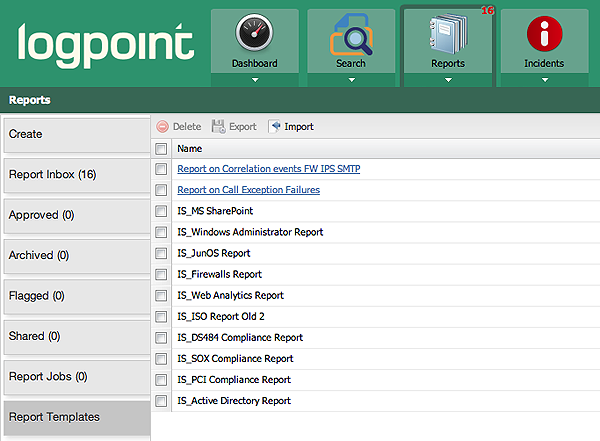
LogPoint can:
• Regularly report on general activities.
• Identify bottlenecks and monitor the health of your IT infrastructure.
• Replay events to identify when, what and who was involved – providing evidence in criminal prosecution.
• Reveal how to prevent incidents from happening again.
• Alert administrators to security threats and system failures – before they even happen.
LogPoint, is the best SIEM, ever.
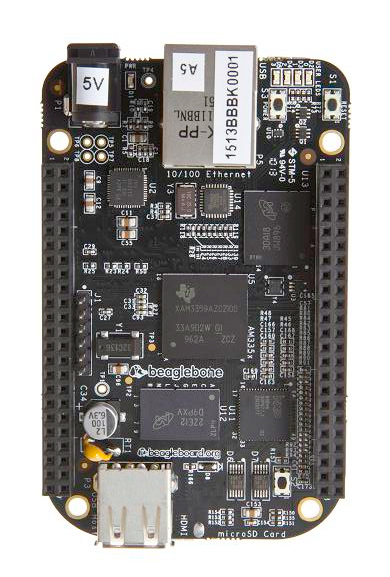
This is according to the abstract of a briefing to be given at the upcoming Black Hat USA conference. The attack, dubbed “Mactans“, succeeded in compromising latest generation devices with the latest version of iOS. It led to a persistent infection with software of the attacker’s choice, invisible to the phone’s user thanks to built-in concealment techniques used to hide some of Apple’s own apps.
The researchers, from the Georgia Institute of Technology, say they built their malicious charger in minimal time with little budget, using a credit card-sized BeagleBoard-embedded computer. I’ve always been a little worried when I’ve seen those free charging stations at airports, shopping malls and other public places. OK, so sometimes you just have to get at some power, but the whole idea of plugging my phone into something I have so little reason to trust just seems a little dirty, not to mention unsafe. Now, assuming this is more than the usual pre-conference hype, those fears look more than justified.
Worse, the small scale of this particular device means you wouldn’t even need a big pedestal-sized charging station. While not quite small enough to disguise as a normal Apple USB power converter as it stands, there are still ample opportunities to trick people into trusting a reasonably compact charging device.
With a little more effort and investment, it should be trivial to build a trojanized charger that is almost identical to standard kit. Then we’d really be in trouble. Imagine an eBay shop selling super cheap USB plugs, which could happily take over your phone and make it call premium-rate numbers or harvest passwords from your email or even bank accounts. Not such a bargain all of a sudden. It might be a good time to buy up all the USB chargers you’re going to need – I suspect prices for proven trustworthy hardware might well be going up fairly shortly.
You can read the original article, here.
Jan
The new release also brings reliability improvements and support for Windows Server 2012 and Windows Server 2012 R2.
SAV for NetApp is also included in the following endpoint products and suites:
Endpoint Protection Advanced
Enduser Protection
Enduser Data Suite
Enduser Web Suite
Complete Security Suite
To learn more, visit the Sophos for Network Storage page or download the free trial.
If you have a current license for one of these products, you can download Sophos Antivirus for NetApp 3.0 on your MySophos download page.
You can read the original article here.
What’s a CSR?
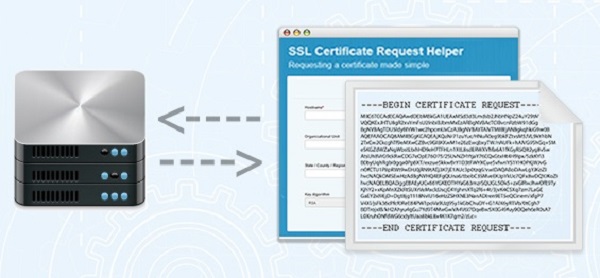
If you have ordered an SSL Certificate before, you were most likely asked to provide a CSR. The CSR is used to deliver the public key that your server will use to identify itself. Generating a CSR can be a hurdle for non-technical staff that aren’t always familiar with the command lines that need to be created and today still remains a time-consuming process even for more experienced users.
CSR Creation Made Easy
Our new CSR creation tool makes it easy to generate the CSR for your server by simply inputting your certificate information (e.g. domain name, organization details, etc.) in the fields provided. The tool will automatically generate the command lines required to create the CSR on your webserver, so you don’t need to write them yourself.

The CSR tool provides command lines for most popular webservers, including OpenSSL, Exchange 2007, IIS and F5 Big-IP.
Bonus Features: Advice on Best Practices
To ensure your SSL Certificates are compliant with the latest security best practices, the CSR tool automatically defaults to the most secure algorithm (RSA) and only offers key length options in line with the latest CA/B Forum guidelines (2048 bit minimum).
Use The Tool
The CSR tool is available in multiple languages at https://csrhelp.globalsign.com and includes support information and FAQs for additional help with the CSR generation process. Secure you website today with SSL the easy way.
You can read the original article here.

The authentication system, based on a new material for the home button and a metal sensor ring around it, has been the subject of numerous rumours and leaked photos and specs already. Speculation about Apple’s interest in fingerprints goes back at least as far as 2009, resurfaces each time a new version of the iPhone is launched, and has grown steadily ever since Apple’s pricey acquisiton of fingerprint tech firm AuthenTec last summer. Today’s confirmation at the iPhone 5s/5c launch ceremony makes it all official at last. According to Apple’s promotional material, the sensor:
“uses advanced capacative touch to take, in essence, a high-resolution image of your fingerprint from the sub-epidermal layers of your skin. It then intelligently analyses this information with a remarkable degree of detail and precision“.
As well as unlocking the phone, the sensor will be able to approve purchases at the Apple store. Fingerprint authentication has been a common sight in laptops for some time, with major vendors including Dell, Lenovo and Toshiba pushing their own built-in variations, usually available as an option alongside more traditional login methods. There are also a range of other implementations available, including many smartphone apps and external readers supported by the Windows Biometric Framework and some leading password managers.

Fingerprints thus probably rank a little above facial recognition as the most widely-deployed biometric authentication technique at the moment. In the past, however, they have proven rather unreliable, plagued with security worries, although suspected flaws are not always proven. Nevertheless, many fingerprint scanners seem to be open to spoofing. Fingerprints are not secret: we leave copies of them wherever we go, even if we’re trying hard not to, as cop show afficionados will be well aware. Once someone devious has got hold of a copy, purely visual sensors can be fooled by photographs, while more sophisticated techniques which measure textures, temperatures and even pulses are still open to cheating using flesh-like materials, or even gelatin snacks. Just how hard it will be to defeat Apple’s recognition system remains to be seen, but as crypto guru Bruce Schneier has pointed out, there’s a big danger in using fingerprints to access online services: the temptation to store the fingerprint info in a central database. Unlike passwords, of course, if your fingerprint data is lifted from a hacked database, you can’t simply change it, short of getting mediaeval on your hands with acid, sandpaper or some other hardened-gangster technique.

So, as expected, Apple has opted to keep all information local to the iPhone – indeed, it is apparently kept in a “secure enclave” on the new A7 chip and can only be accessed by the print sensor itself. Expect this storage area and the connections to it to become the subject of frenzied investigations by hackers of all persuasions. Of course, Apple is not alone in looking into fingerprints, with arch-rivals Samsung also rumoured to be making moves in that direction. (Samsung was a major customer of AuthenTec before it was acquired.) In the long term, how similar their approaches are may be a significant issue for all of us, whatever our smartphone affiliation and whether or not we worry much about privacy, and not just thanks to the inevitable legal rumpus. There are two basic approaches to security: either the way things work is kept proprietary and secret, as far as possible, or it’s made open for general consumption, and more importantly for verification. A cross-vertical group, the FIDO Alliance, was set up earlier this year to develop open specifications for biometric authentication standards, with members including Google, PayPal, hardware makers like Lenovo and LG, and a raft of biometrics and authentication specialists. Beleaguered phonemaker BlackBerry is the latest big-name inductee. The alliance’s aim, to create a universal approach to implementing biometrics in combination with existing passwords and two-factor dongles, is a noble goal. Sadly, given Apple’s history of playing well with others, it’s pretty likely that, as with their connector cables and DRM systems, their fingerprint setup will remain aloof from any attempts to build a truly universal consensus.
Even if a two-culture system prevails, widespread deployment in mass-market handhelds may well be a gamechanger for the adoption of biometric authentication. Touch ID and its inevitable followers could be a major part of all our futures.
You can read the original article, here.
Of course, it isn’t just film stars who have sensitive data on their Apple devices – employees will often have corporate data on their iPhones and iPads while home users may also have their personal pictures and videos stored on their iOS device.
With that in mind, here are 3 tips to help keep your photos and other data safe:
1. Use a strong password
This is an easy one – it’s important to make sure you use a strong, unique password for your iCloud account, especially as Apple hasn’t yet enabled two-step verification for iCloud. To do this, make the new password long (minimum 14 characters), avoid using real words and switch between UPPER, lower, d1g1t5 and //@ckies. If you have trouble remembering such a complex password, consider using a password manager.
And while we’re here, make sure you use unique passwords for every account on every website that you use. It’s important because if someone gains access to one of your accounts, they can only access that one – not every account you own.
2. Limit what you backup to iCloud
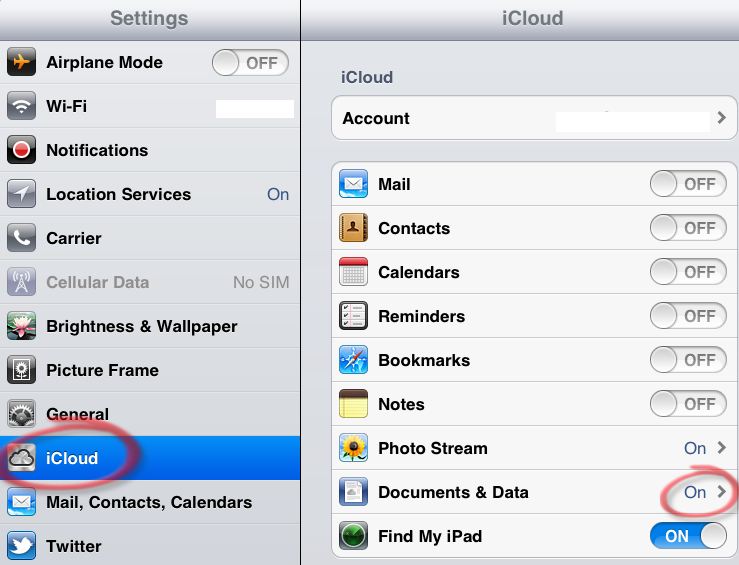
iCloud SettingsNow is a good time to check what exactly is being backed up to your own iCloud account. Go to Settings on your device and then select iCloud. Here you will see a list of all the apps on your device that are being backed up to the cloud. Each can be individually toggled on or off. You need to decide for yourself as to what you want to backup – for example, you may decide to not backup your Photos (especially if they’re a little risque), but keep backing up your Mail and Documents & Data.
It’s a case of weighing up the risk of losing or bricking your device, versus the risk of having your information stolen through the cloud. Of course, there’s always the option of…
3. Turn iCloud off and backup locally
If you feel that the risk of having your iCloud storage hacked outweighs the convenience of the service then you may wish to delete your account entirely. Doing so is very easy. Go to Settings on your iDevice and then select iCloud. Scroll all the way to the bottom of the screen and you will see the option to Delete Account. Of course, that means your device will no longer be backed up, so you’ll need an alternative means of backing up your data. Fortunately, you have that with Apple’s iTunes which offers a manual alternative.
To backup with iTunes:
1. Make sure your computer has the latest version of iTunes
2. Connect your iOS device to your computer
3. Choose File, then Devices and Back up.
If you decide to backup your devices this way, remember to continue backing up on a regular basis.
You can read the original article, here.
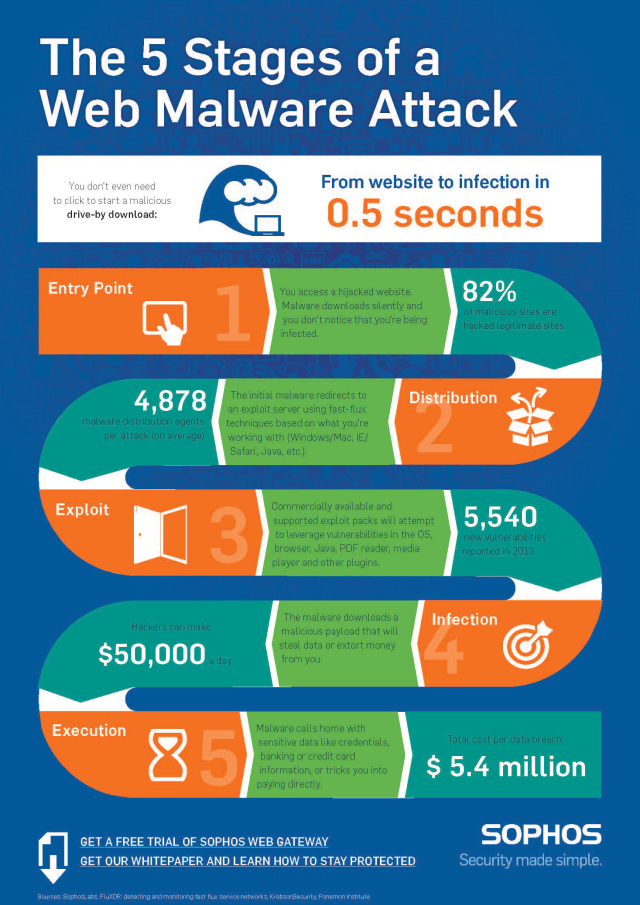
In the spirit of sharing our knowledge, we’d like to show you a pretty great infographic that explains in visual format how a web attack works. As you can see in the infographic below, a web attack happens in five stages, and this whole process takes less than a second. The web is the number one source of malware (a term that combines “malicious” and “software”), and the majority of these malware threats come from what is called a drive-by download.
5 Stages of a Web Attack
The term drive-by download describes how malware can infect your computer simply by visiting a website that is running malicious code (Stage 1: entry point).
Most of the time, these are legitimate websites that have been compromised to redirect you to another site controlled by the hackers (Stage 2: distribution).
Today’s cybercriminals use sophisticated malware packaged in an “exploit kit” that can find a vulnerability in your software among thousands of possibilities.
When your browser is redirected to the site hosting an exploit kit, it probes your operating system, web browser and other software (such as your PDF reader or video player) to find a security vulnerability that it can attack (Stage 3: exploit).
Remember — if you are not applying security updates to your operating system and software, you are unprotected against these exploits.
Once the exploit kit has identified a vulnerability, that is where Stage 4: infection begins. In the infection phase of an attack, the exploit kit downloads what is known as a “payload,” which is the malware that installs itself on your computer.
Finally, in Stage 5: execution, the malware does what it was designed to do, which is mainly to make money for its masters.
The malware known as Zbot can access your email or bank accounts. Another type of payload called ransomware can hold your files hostage until you pay to have them released.
This kind of attack happens all the time. But you don’t have to be a victim. Download our checklist of technology, tools and tactics for effective web protection to find out how you can protect your organization from malware attacks at every step of the way. You should also check out our free whitepaper explaining how malware works and offering tips to help you stop it: Five Stages of a Web Malware Attack. (Registration required).
You can read the original article here.
Jan
WD’s My Cloud personal cloud drives, available now in China in capacities of 2 TB, 3 TB and 4 TB, enable consumers to organize, centralize and secure the digital content from all of their computers and mobile devices and access those files from any device and from anywhere in the world. WD’s My Cloud EX4 high-performance four-bay network attached storage (NAS) solution, available now in China in 0 TB, 8 TB, 12 TB or 16 TB1 capacities, provides creative professionals, prosumers and workgroups a reliable way to save, share, back up, stream and manage massive amounts of digital data. The Baidu Yun service is a leading public cloud storage service provider with more than 100 million users. Consumers and businesses store content on Baidu Yun for easy access and sharing from any computer or mobile device.
The collaboration between WD and Baidu will enable Chinese customers to manage their Baidu Yun account and easily transfer files between their My Cloud or My Cloud EX4 device and Baidu Yun using WD’s My Cloud mobile apps for iOS and Android operating systems. Baidu and WD customers will also be able to back up their local content to Baidu Yun, as well as backup their Baidu Yun account to their local storage using WD SmartWare™ Pro software.
“The growth of Baidu and its public cloud storage and services in China has been spectacular; it’s a pleasure to collaborate with them,” said Jim Welsh, executive vice president, Branded Products and worldwide sales. ”The integration of Baidu Yun with our personal cloud and external storage platforms gives our mutual customers the best of all worlds – the ability to keep content safe at home, while backing up and sharing with friends on Baidu Yun.”
“Baidu aims to provide the best way for people to access their valuable content, regardless of their location,” said Hou Zhenyu, chief architect of Baidu Yun. “WD is a leader in high-capacity local storage, and integrating our public cloud storage service with WD’s platform gives our customers a compelling hybrid cloud storage solution – the best of both public cloud storage and personal cloud storage.”
You can read the original article here.
But those signals were not authentic, and the ship was not on course. The signals were in fact being sent from the White Rose’s upper deck by University of Texas/Cockrell School of Engineering graduate students Jahshan Bhatti and Ken Pesyna. A team from the school had been invited aboard while the White Rose sailed from Monaco to Rhodes, Greece, on the Mediterranean Sea. Using a blue box about the size of a briefcase, the duo spoofed the ship’s GPS signals, sending counterfeit signals that slowly, subtly overpowered the authentic GPS signals until the ship ultimately came under their control.
If this sounds familiar, it’s because students from this engineering school did the same thing to a drone last year. In May 2012, the engineering students tried out their $1,000 spoofer, which they had cobbled together in response to a dare from the US Department of Homeland Security (DHS). Under the direction of Assistant Professor Todd Humphreys, who is now working for the Department of Aerospace Engineering and Engineering Mechanics, the students last spring managed to hack and hijack a drone with what Humphreys at the time said was the most advanced spoofing device ever.

Both the drone and yacht hijackings were designed to shed light on the perils of navigation attacks, serving as evidence that spoofing is a serious threat to marine vessels and other forms of transportation. In plain English, that means that hackers can send drones smashing, say, into our skulls.
After the students had gained control of the ship’s navigation system, the team planned to coerce the ship onto a new course with subtle maneuvers that positioned the yacht a few degrees off its original course. When the ship’s navigation system detected the location discrepancy, the crew corrected the course – at least, they thought they did. In reality, their course corrections were setting the ship slightly off its course line. Watch a video about the attack here.
You can read the original article, here.

Jan
TrueCrypt’s sudden demise
Despite being nominally open source software, TrueCrypt was always a bit secretive. Unlike many free, open source projects, the main developers and maintainers were unknown to the community. Someone, apparently one of the maintainers of TrueCrypt, shut down the project, claimed the product was not secure, and replaced it with a modified version designed only for undoing the encryption of previous versions. Sophos security adviser Maxim Weinstein tells us that TrueCrypt’s warning should be taken seriously. “We don’t know exactly why this was done, who exactly did it, or whether the software is, in fact, compromised or to what degree,” Max tells Sophos Blog. “As the community attempts to unravel the mystery, it’s best for users to stop using TrueCrypt and to find another solution.”
5 tips for data security
Encrypting your data and communications is vital in today’s security landscape. Our security experts offer these five key recommendations for moving beyond TrueCrypt to an alternative for data protection.
- Use vetted, trusted, operating system-level encryption like Microsoft BitLocker and Mac FileVault 2. TrueCrypt was not using the latest technology, so now is a great time to move to compliant encryption standards.
- The real issue with business use of encryption has been key management. You need good key management that enables encryption beyond just full-disk on your laptops.
- Data isn’t only on your disks. Users are taking it everywhere, especially the cloud. Now’s a good time to reevaluate your data protection strategy to make sure you’re protecting data everywhere.
- Non-Windows platforms need encryption, including OS X, Android and iOS. And don’t forget any systems still running Windows XP, you’ll need to protect them too.
- A thumb drive or DVD can hold sensitive records too. You need to encrypt all your storage devices as well.
The TrueCrypt alternative: SafeGuard Encryption
Only Sophos offers a single solution for all your encryption needs — for all your PCs, laptops, cloud, mobile devices, removable media, and file shares. And our software has been certified by several crypto-analysts, including the Federal Office of Information Security in Germany (the BSI), as truly secure.
You can manage all your data encryption simply, from a central console. And SafeGuard Encryption won’t slow users down. Visit sophos.com/truecrypt to learn more. Or click here for a free trial of SafeGuard Encryption.
You can read the original article, here.
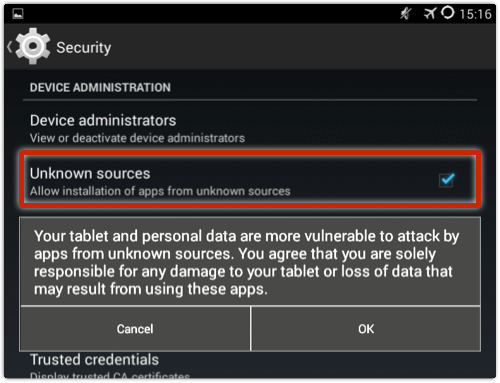
One of our SophosLabs researchers, Anna Szalay, made an interesting discovery recently: a new type of Android malware that slips in through a security hole in the USB debugging feature that allows developers to modify their Android devices. Naked Security expert Paul “Duck” Ducklin reports that this malware can intercept your SMS text messages to steal bank transaction details.
Duck explains in his post that intercepting SMSes from your Android phone allows the attackers to steal information they can use to access, for example, your email accounts or bank accounts:
The crooks want to infect you with malware that knows how to intercept incoming SMSes and redirect their content elsewhere. You can see where this is going: mobile malware that reads your SMSes before you do can steal important data such as the two-factor authentication (2FA) codes sent by your email provider or your bank, giving cybercriminals a way into your account despite the extra layer of protection in place.
SophosLabs detects this SMS-stealing malware as Andr/FakeKRB-H. As Duck explains, this malware gets onto your Android in a multi-step process that starts with your device getting infected by a crafty piece of Windows malware that sneaks in through the USB connection between your Android and a PC. This “helper” malware is a downloader detected by SophosLabs as Troj/DwnlAPK-A.

If you connect your Android to a PC infected by Troj/DwnlAPK-A, the malware sneaks in under the guise of files that “appear to be regular, clean files that enable full USB-to-phone connectivity on Samsung and LG devices,” Duck writes.
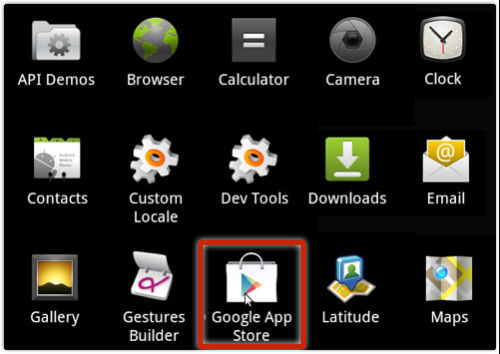
Then, once the downloader is installed, it loads the Android malware onto your device in what appears to be an app disguised as a Google-imitating “Google App Store” (the real Google store is simply called “Play Store”).
This is a good reminder that the bad guys continue to develop inventive ways of compromising our security to get at our most valuable data. Read the article at Naked Security to learn more about this malware and how to block it with security settings on your Android.
Jan
“Our goal of ‘Security made simple’ can only be fully realized when every interaction Sophos has with customers and partners exceeds their expectations,” said Kris Hagerman, chief executive officer of Sophos. “Mary has an extraordinary track record in building dynamic and high-impact customer care and customer support organizations, and we are thrilled to welcome Mary to our management team.”
With Sophos Winfield will promote and lead a world-class customer support organization that leverages the latest technologies, methodologies and engagement channels to deliver the highest levels of customer satisfaction. Sophos already has one of the industry’s highest reputations for support quality and customer satisfaction. Winfield’s mission will be to enhance that reputation even further; her organization will serve as the focal point for the “voice of the customer” within Sophos and advocate for customers’ needs across all facets of the business.
Mary Winfield said, “I am excited to join the Sophos team. I believe the company is executing a winning strategy, with winning products and a commitment to customer excellence that sets the standard for the security industry. I look forward to helping the company make the most of every engagement with customers in our quest to make security simple“.
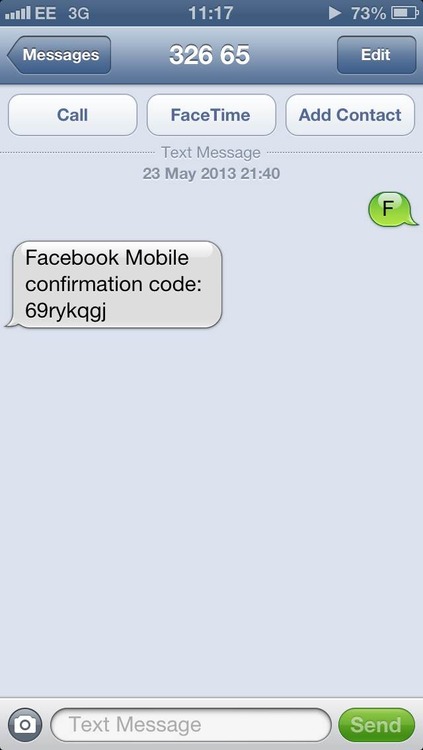
As it is, Whitten explains, Facebook gives users the option of linking their mobile numbers with their accounts. Users then can receive updates via SMS and can also login using their phone number rather than their email address. Whitten found that when sending the letter F to Facebook’s SMS shortcode – which is 32665 in the UK – Facebook returned an 8-character verification code. After submitting the code into the activation box and fiddling with the profile_id form element, Facebook sent Whitten back a _user value that was different from the profile_id that Whitten modified.
Whitten says that trying the exploit might have led to having to reauthorize after submitting the request, but he could do that with his own password instead of trying to guess at his target’s password.

After that point, Facebook was sending an SMS confirmation. From there, Whitten said, an intruder could initiate a password reset request on his targeted user’s account and get the code back, again via SMS. After a reset code is sent via SMS, the account is hijacked, Whitten wrote: We enter this code into the form, choose a new password, and we’re done. The account is ours.

Facebook closed the security hole by no longer accepting the profile_id parameter from users. This could have been a valuable flaw were it to fall into the hands of attackers who might have used it to steal personal data or send out spam. As it is, one commenter on Whitten’s post who obviously didn’t understand the “it’s now fixed” part of the story made the bug’s value clear with his or her eagerness to figure out how to exploit it: ›khalil0777 • a day ago
someone explain me how to exploit it i am realyy need it i wait your helps friends :/
:/ oh well, ›khalil0777, looks like you’re too late for that party.
I’d say better luck next time, but perhaps instead I’ll save my good wishes for Mr. Whitten.
May he enjoy his $20,000.
It was well-earned, and it’s a bargain for Facebook even were the reward to be doubled, considering the grief that could have been caused by such an easy exploit.
Click here to see the original article.
UTM Series appliances will remain an important part of our hardware appliance portfolio and continue to enjoy all the great new features and enhancements that come with every software update. Our UTM Series delivers unmatched value with a great balance of price, performance and protection.
As you know, at Sophos, every feature is available on every appliance — and our UTM Series appliances are no different. And because they are based on an Intel architecture, you can benefit from all future software enhancements and performance optimizations — past, present, and future.
Features you get with Sophos UTM Series
- Intel architecture provides a future-proof upgrade path unlike ASICs
- Same protection on every appliance, from our smallest to our largest
- Cluster up to 10 appliances dynamically without external load balancers
- A range of models at performance and price points to fit diverse environments
- Sophos UTM Series — Eight (8) models suitable for organizations of all sizes
Small: The UTM 100, 110, and 120 are ideal for small organizations or branch offices that have less demanding traffic capacity requirements, but still want the best network protection
Medium: The UTM 220, 320 and 425 provide the optimal balance between performance and protection for a variety of different environments.
Large: The UTM 525 and 625 are designed to protect even the most demanding enterprise networks. They are purpose built for scalability, reliability, and high availability.
UTM Series Tech Specs

Datasheets: UTM 1xx | UTM 220 | UTM 320 | UTM 425 | UTM 525 | UTM 625
You can read the original article here.
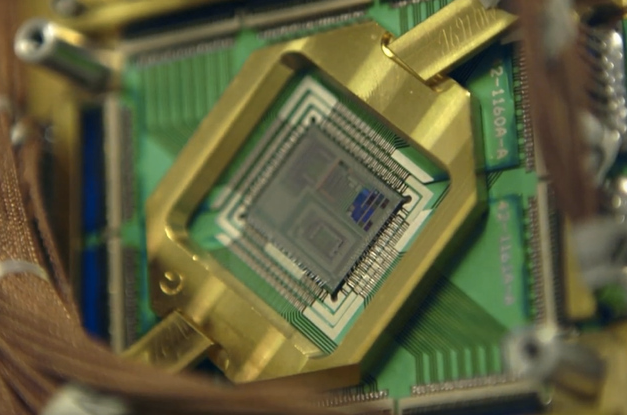
Quantum computing hinges, very broadly, on allowing individual bits (called qubits) to contain superimposed values of zero and one, vastly increasing computing power. Its implications for cryptography, medicine, and research have made it a major goal for public services and private industry alike: DARPA has devoted years of funding to quantum computing research, and Google launched its own “Quantum Artificial Intelligence Lab” last year.
But while qubits have been stored for a limited period of time under certain conditions, and specialized machines have been built using quantum technology, that’s not enough for practical code-breaking applications. Last year, for example,The Economist all but ruled out the possibility that the NSA had a crypto-ready quantum computer.
The NSA’s program, part of the larger intelligence community “Black Budget,” doesn’t actually task anybody with building a quantum computer. According to the memo, it asks researchers to “conduct basic research in quantum physics and architecture/engineering studies to determine if, and how, a cryptographically useful quantum computer can be built.” So while the grant fits with the NSA’s general mission — and quantum computing could one day pose a real threat to present-day encryption methods — it’s a lot more theoretical than the agency’s ability to, say, seed malware to computers from miles away.

You can read the original article here.
Jan
Steve Gollschewski, Deputy Commissioner, Strategy, Policy and Performance presented the award to Rob Forsyth, Director Sophos Asia Pacific, in recognition the team’s ongoing partnership with the Queensland Police Service, working closely with the community to provide education material for community groups, as well as hosting the Sophos Signature events to explore current and emerging issues, and raising greater awareness in the government and business communities regarding fraud and cybercrime.
According to Detective Superintendent Brian Hay, Head of Fraud Division, Queensland Police Service, the concept of working with the private sector in regard to fraud and cybercrime started 12 years’ ago, and Sophos has supported what is now known as Project Synergy right from the start.
“The Fraud and Cybercrime Partnership Award recognises the Queensland Police Service’s need to partner with industry entities such as Sophos, to better secure and protect the Australian community,” said Detective Superintendent Brian Hay.
“Sophos has shown the courage and character to step forward to participate with the Queensland Police Service since Project Synergy’s inception, and we look forward to continuing our ongoing relationship, to further build and enhance innovative strategies to protect Australia and indeed global communities.”
Sophos has worked closely on many key security projects and initiatives including the Over the Horizon Forum for the Department of Broadband, Communications and the Digital Economy, an event that takes place during National Cybersecurity Awareness Week, where Sophos is an active supporter and committee member.
Sophos also works directly with leading industry associations including the Internet Industry Association (IIA) and Australian Computer Society. Sophos is a member of the Australian Government’s National Standing Committee on Cloud Computing advising on security issues and an Industry Code of Best Practice. The company is also actively supporting the Internet Industry Association’s inaugural National Online Security Council forum being held next month.
Forsyth says the award is an indication of the ongoing work the company invests within the business community to raise greater awareness of security issues.
“It is an absolute honour for Sophos to be recognised by the Queensland Police Service, with this inaugural Partnership Award, and we thank Detective Superintendent Brian Hay and Queensland Police in recognising Sophos’s continued work and education in the community,” Forsyth said.
Sophos will continue its work in driving awareness around security issues, particularly on a local level, rallying the community and business to work together in ensuring Australians understand online safety, fraud and cybercrime.
You can read the original article, here.